Diaspora
How to Build a House in Ghana From Abroad (Without Losing Money)
How Ghanaians in the UK, US and Europe can buy land, design, get permits and build a house in Ghana remotely, with milestone payments and oversight.
Key takeaways
- Most diaspora building failures come from informal arrangements: money sent to relatives or artisans with no contract, drawings or reporting.
- Verify land independently before paying; never rely on photos alone.
- Insist on drawings, a permit, an itemised Bill of Quantities and a written contract before construction starts.
- Pay against verified milestones and demand weekly photo and video reports.
For many Ghanaians living in the UK, US, Canada, Germany and elsewhere, building a home back home is a lifelong goal, whether for retirement, for family, or as an investment. Yet almost everyone has heard a horror story: money sent home for years, only to find a half-finished structure, poor workmanship, or nothing at all.
It doesn't have to be that way. This guide explains how to build safely from abroad.
Why diaspora builds go wrong
Most failed projects share the same causes:
- Informal arrangements: money sent to a relative or "trusted" artisan with no contract.
- No drawings or budget: work starts without approved plans or a Bill of Quantities.
- Unverified land: the plot turns out to be disputed or already sold to someone else.
- Paying ahead of progress: large advances with no evidence of work done.
- No independent oversight: nobody qualified checks the quality of the work.
Every step below is designed to remove one of these risks.
Step 1: Secure safe land
If you don't yet own land, don't buy based on photos and promises. Commission an independent land verification: an official search at the Lands Commission, a surveyor's site check and confirmation of the seller's root of title. If you already own land, it is still worth confirming that your documents are registered and that no one has encroached on the plot while you were away.
Remember that non-citizens can only hold leasehold land of up to 50 years at a time under Article 266 of the Constitution. If you hold Ghanaian citizenship (including dual citizenship), this limit does not apply.
Step 2: Design your home remotely
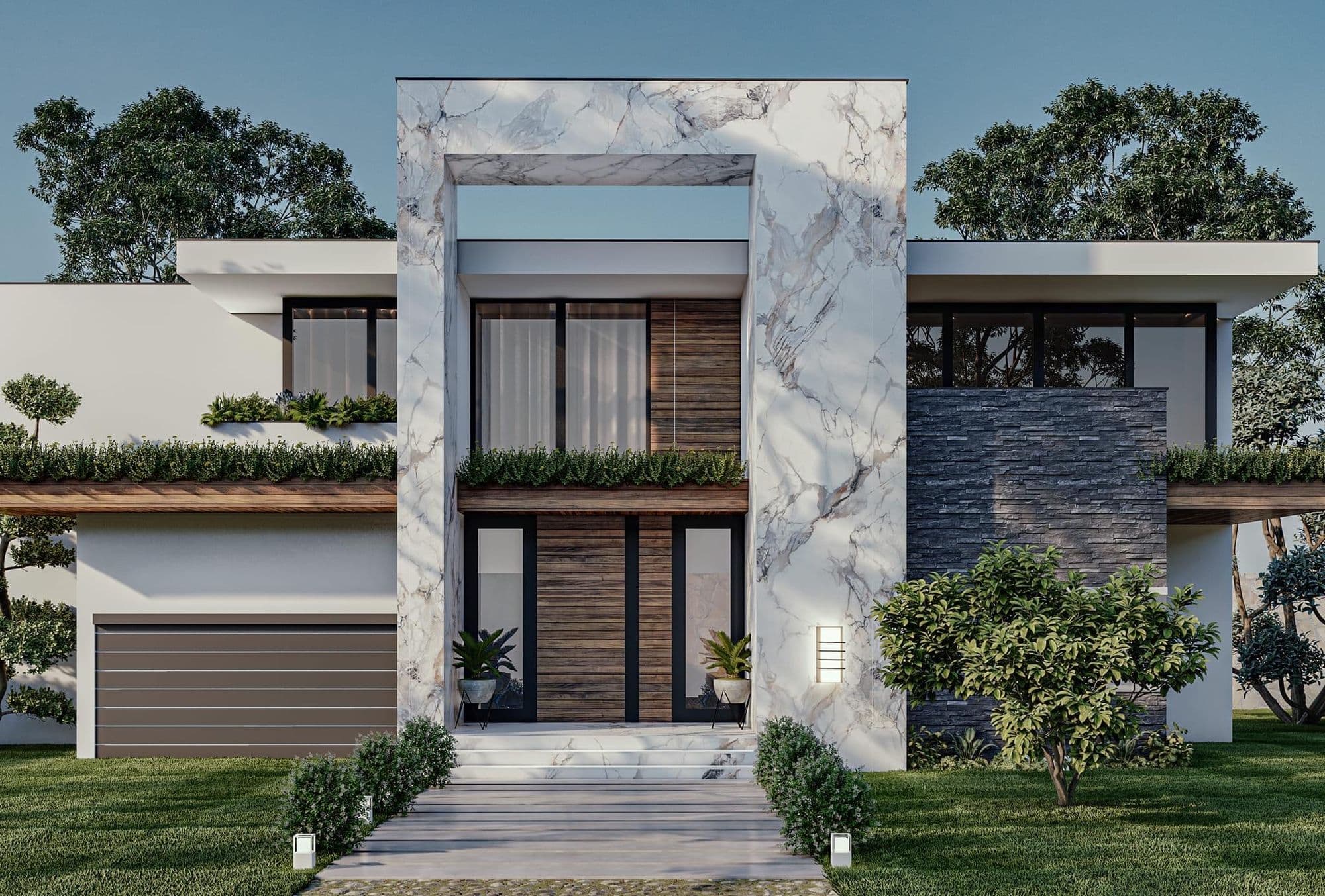
Work with an architect who can run design meetings over video at times that suit your time zone, and who provides 3D visualisations so you can see exactly what you are approving. Design for the site and climate (orientation, ventilation and shading) rather than copying a design from abroad. Our guide to house designs for Ghana's climate explains why.
Step 3: Get a fixed budget
Ask for an itemised Bill of Quantities (BOQ) based on your final drawings. This is your budget, your basis for comparing quotes and your tool for tracking spending. See our breakdown of what it costs to build in Ghana.
Step 4: Obtain your building permit
Your contractor or architect can usually handle the building permit application on your behalf. Insist on seeing the permit itself, not just a receipt, before construction begins.
Step 5: Choose the right builder
Work with a registered company with a physical office, a portfolio you can verify and references from other diaspora clients. Our checklist on how to choose a construction company in Ghana lists the questions to ask.
Step 6: Sign a proper contract
A good contract sets out the scope of work, drawings and specifications, the price, a milestone payment schedule, reporting obligations, the programme, and what happens if things change or go wrong. Read it carefully, and get legal advice if needed.
Step 7: Pay against verified milestones
Structure payments around completed stages, for example:
| Milestone | Typical evidence before payment |
|---|---|
| Mobilisation & setting out | Photos of cleared site, setting-out survey |
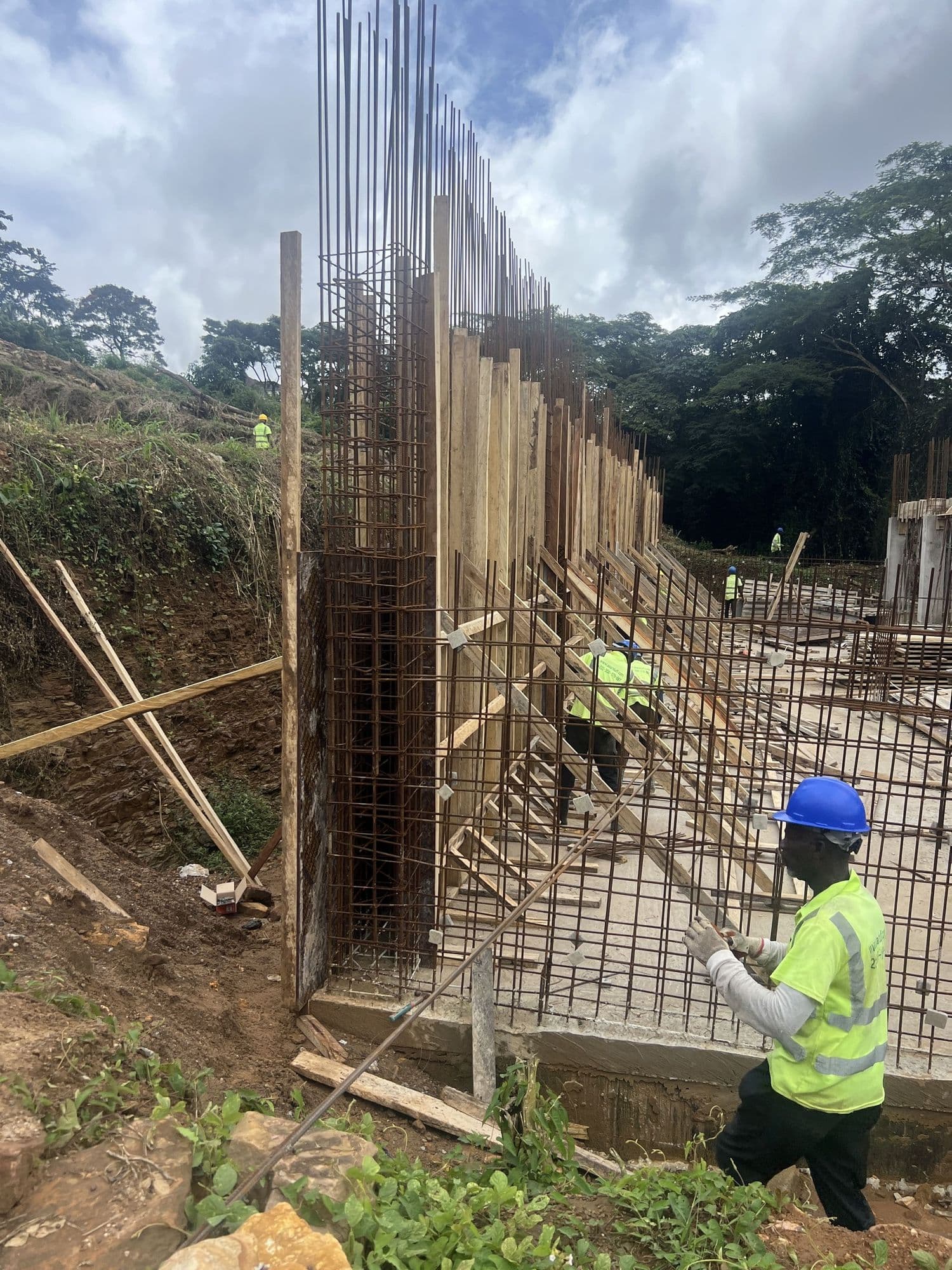
| Foundations complete | Photos and video of reinforcement before pouring, completed foundation |
| Superstructure to lintel/roof level | Photos and video walkthrough, quantities used |
| Roofing complete | Video of finished roof from inside and outside |
| Plastering, MEP first fix | Photos of wiring and plumbing before covering |
| Finishes & handover | Final video walkthrough, snag list, documents |
Never send money for "the next stage" before the current one is complete and evidenced.
Step 8: Demand regular, honest reporting
You should receive weekly updates with photos, video and a short written summary: what was done, what was spent, what's next and any decisions needed from you. Ask for live video walkthroughs at key moments, such as before concrete is poured.
Step 9: Plan your visits wisely
If you can travel, the most valuable times to visit are at design approval, after the foundation, at roof level and at handover. Your builder should schedule key decisions about finishes, colours and kitchen layout around your trip.
Step 10: Handover and aftercare
At completion, insist on a joint inspection (in person or by video), a snag list, keys handed to you or your representative, and a defects-liability period during which the builder returns to fix any issues.
Common scams targeting diaspora builders and how to avoid them
- The same plot sold twice (or more). Prevent it with an official Lands Commission search and prompt registration.
- Recycled progress photos. Ask for live video calls and photos that show something agreed in advance, such as a sign with the date.
- Inflated material receipts. Ask for supplier invoices and compare prices with current market rates (see our building materials price guide).
- "Emergency" money requests. Genuine contractors plan cash flow around agreed milestones; urgent, unplanned requests are a red flag.
- Ghost workers and padded labour costs. Agree labour costs within a fixed-price contract, so headcount becomes the builder's risk, not yours.
Managing exchange rates and your budget
Construction contracts in Ghana are usually priced in cedis, while your income may be in pounds, dollars or euros. Material prices also follow the cedi. To protect your budget:
- agree in the contract how significant price changes will be handled,
- transfer funds in line with the milestone schedule rather than all at once,
- keep a contingency of around 10% for price movements, and
- lock in prices for major materials when the market is stable.
Choosing finishes from abroad
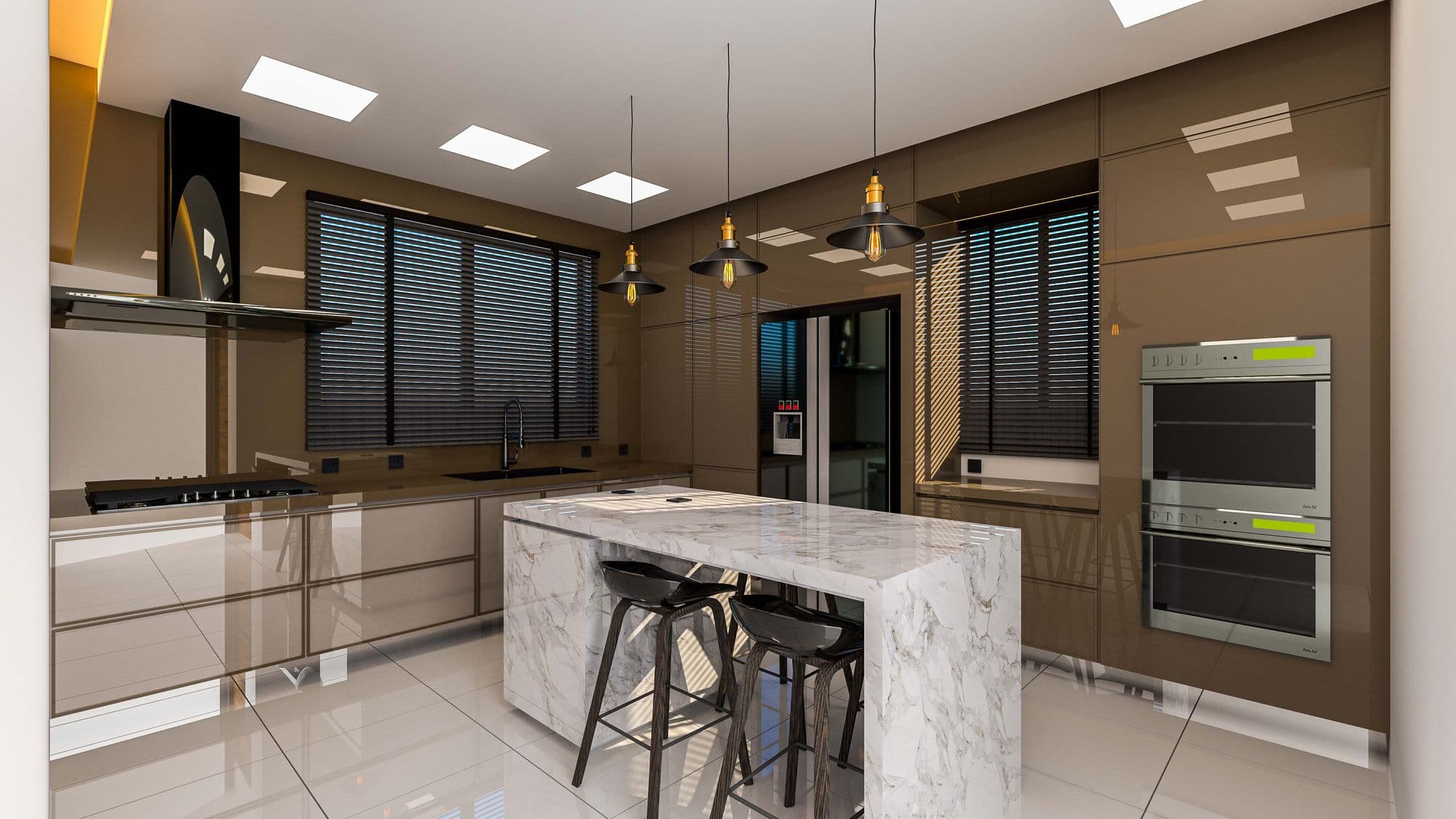
Finishes such as tiles, sanitary ware, doors and kitchen units are where personal taste matters most. Ask for photos and video of samples in natural light, use mood boards and 3D renders, and confirm final selections in writing. Order long-lead items early so they don't delay the finishing stage.
When you need someone on the ground
Some land transactions and legal steps may need a signature in Ghana. A properly executed power of attorney lets a trusted person or lawyer act for you. Take legal advice on the correct formalities, limit the authority to what is needed, and keep copies of everything signed on your behalf.
How our Diaspora Build Programme works
Rumah Kreatif's Diaspora Build Programme was created for exactly this situation. We verify your land, design your home over video calls, secure your permit and build it. Payments are tied to verified milestones, and you receive weekly photo and video reports. If you already have a builder, our independent project management service can supervise them on your behalf.
Book a free discovery call and we'll schedule it around your time zone.
Frequently asked questions
Can I build a house in Ghana while living abroad?
Yes. Thousands of Ghanaians abroad build at home every year. The key is to work with a registered company under a written contract, verify your land independently, and pay only against verified progress backed by weekly photo and video reports.
How do I send money safely for construction in Ghana?
Pay a company account rather than individuals, follow a milestone-based payment schedule set out in your contract, and release each payment only after receiving evidence that the previous stage is complete.
Do I need to travel to Ghana to build?
Not necessarily. Design meetings, approvals and progress reviews can happen remotely. Some land transactions may require you or a lawful attorney to sign documents in Ghana, and many clients choose to visit at key stages.
How long does it take to build a house in Ghana from abroad?
Typically 9–15 months from design approval to handover for a family home, depending on size, finishes and how consistently the project is funded.